Real-Time Generation
Streaming speech, video, and language under hard latency budgets.

NeurIPS 2026 Workshop · Sydney
Real-Time Conversational Agents: Toward Natural Multimodal Interaction
RTCA looks to explore the challenges of realtime conversational agents across multiple modalities.
Conversational AI has moved beyond text chat into voice modes, visual avatars, shared screens, and tools. Systems that feel natural must stream speech, video, and language while listening, watching, and re-planning continuously with challenging latency constraints.
RTCA focuses on the problems that offline generation can afford to ignore: latency, partial observability, turn-taking, backchannels, interruptions, cross-modal alignment, and evaluation of interactional naturalness.
Streaming speech, video, and language under hard latency budgets.
Prosody, gaze, timing, grounding, expressivity, and turn-taking dynamics.
Metrics and protocols for responsiveness, perceived latency, and conversational quality.
We invite original contributions from speech, vision, language, HCI, social-signal processing, and ML systems communities working on interactive multimodal agents, including but not limited to:
Confirmed speakers so far, with more to be announced.
RTCA runs on Saturday 12 December 2026, 8:00 a.m. to 5:00 p.m. AEDT, in Room MR C4.11 at the International Convention Centre Sydney. A full day of invited talks, contributed talks, posters, live demos, and a closing panel. Times and sessions below are tentative and subject to change.
The call for papers opens July 18, 2026. The submission deadline has been extended: papers and demos are
now due September 10, 2026 AoE (previously August 29), submitted
via OpenReview,
formatted for double-blind review using the NeurIPS 2026 style file.
Up to 8 pages. Original contributions; may be presented as posters and/or contributed talks.
Up to 4 pages. Work in progress or focused contributions.
Up to 2 pages.
Page limits exclude references and appendices. The workshop is non-archival; authors retain the right to publish elsewhere. Dataset submissions should include an ethics statement covering consent for voice or likeness, deepfake risk, and provenance. The workshop follows the NeurIPS Code of Ethics, Code of Conduct, and Main Track LLM policy. Questions? Contact us at rtca-workshop@googlegroups.com.
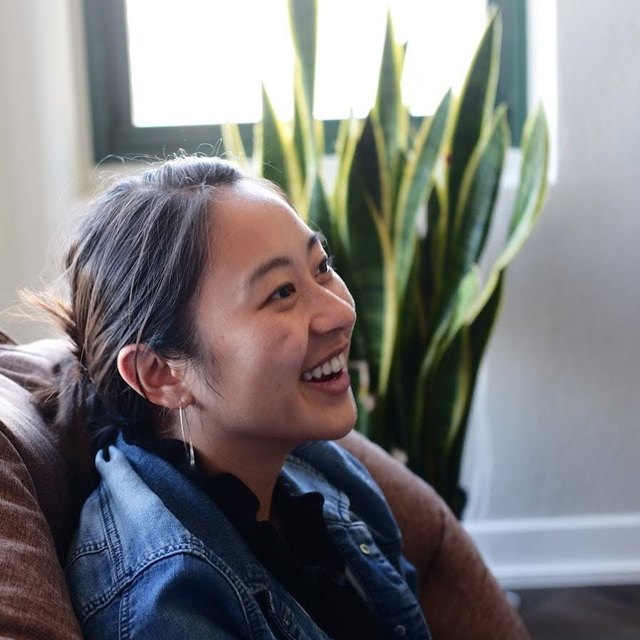
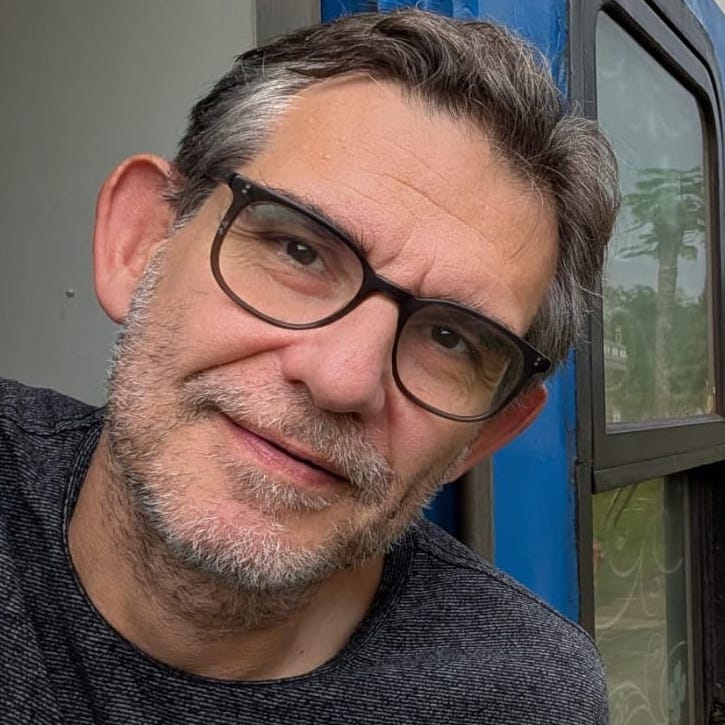
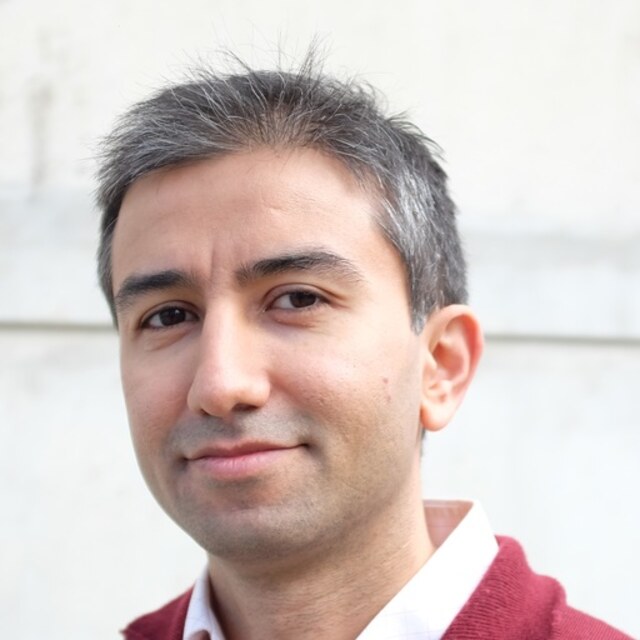
The organizing team spans industry and academia across real-time agents, digital humans, social robotics, affective computing, computer vision, and multimodal AI.
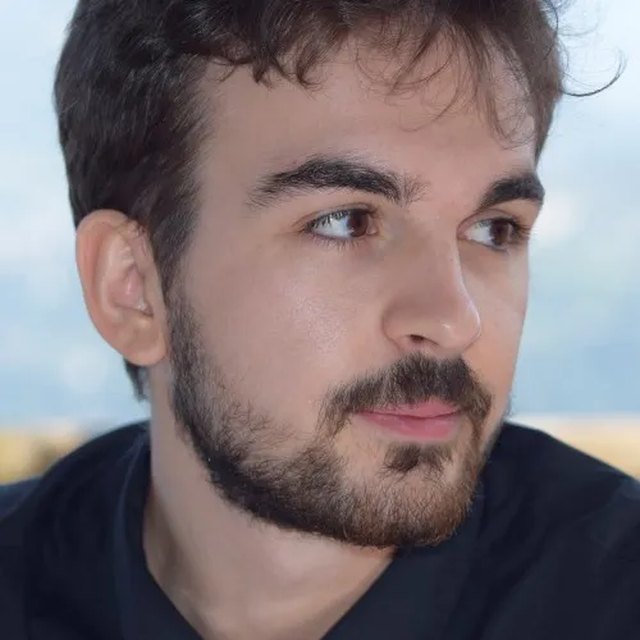
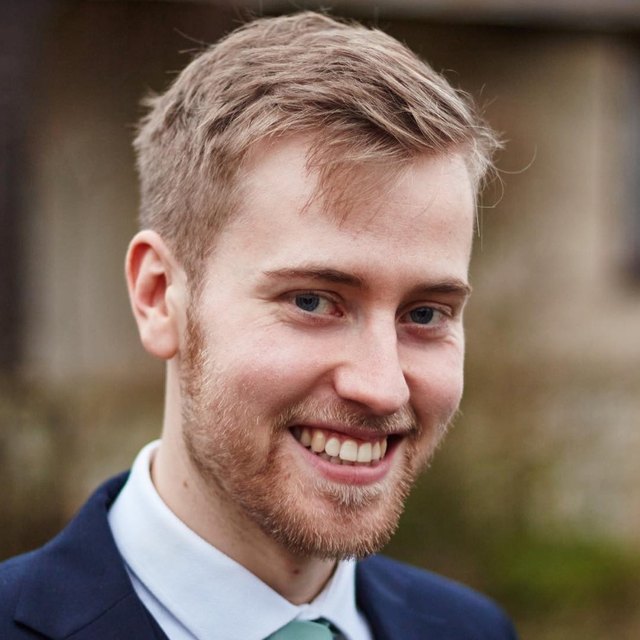
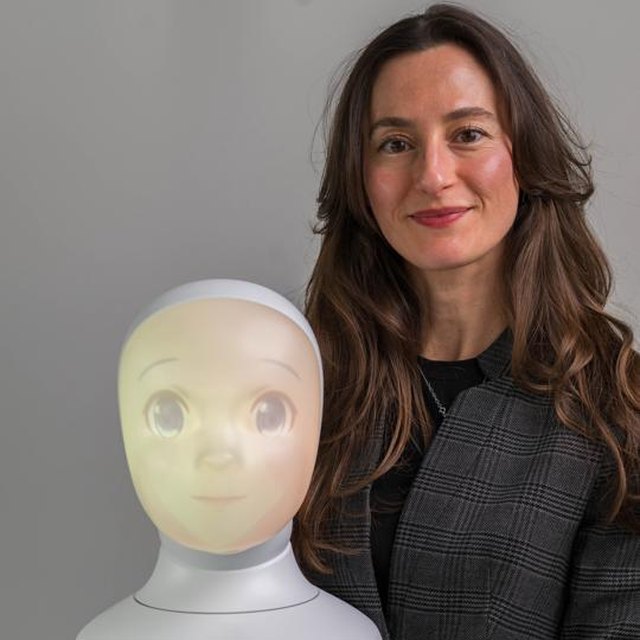


Sponsorship keeps RTCA open and accessible. Contributions fund travel and accommodation for invited speakers, travel grants so students and researchers from underrepresented groups and under-resourced institutions can attend, catering across the workshop day, and the infrastructure behind the poster and live-demo sessions.
In return, sponsors get a presence in the room and on the page: a table for exhibiting alongside the poster and demo session, priority access to the Conversational Agents Showcase, logo placement on the website and closing slide, and shoutouts in the opening and closing remarks.
Know what you want? Everything below is fully customisable. Let us know what will be most valuable to you and we will help build a package for you.
Everything in Supporter, plus:
Everything in Partner, plus:
Tell us a little about your organisation and what you are interested in.